The art of slowing down, one espresso at a time
A version of this story appeared in Sedona Monthly, written by Martha Penado.
There is a coffee in this café you cannot take with you.
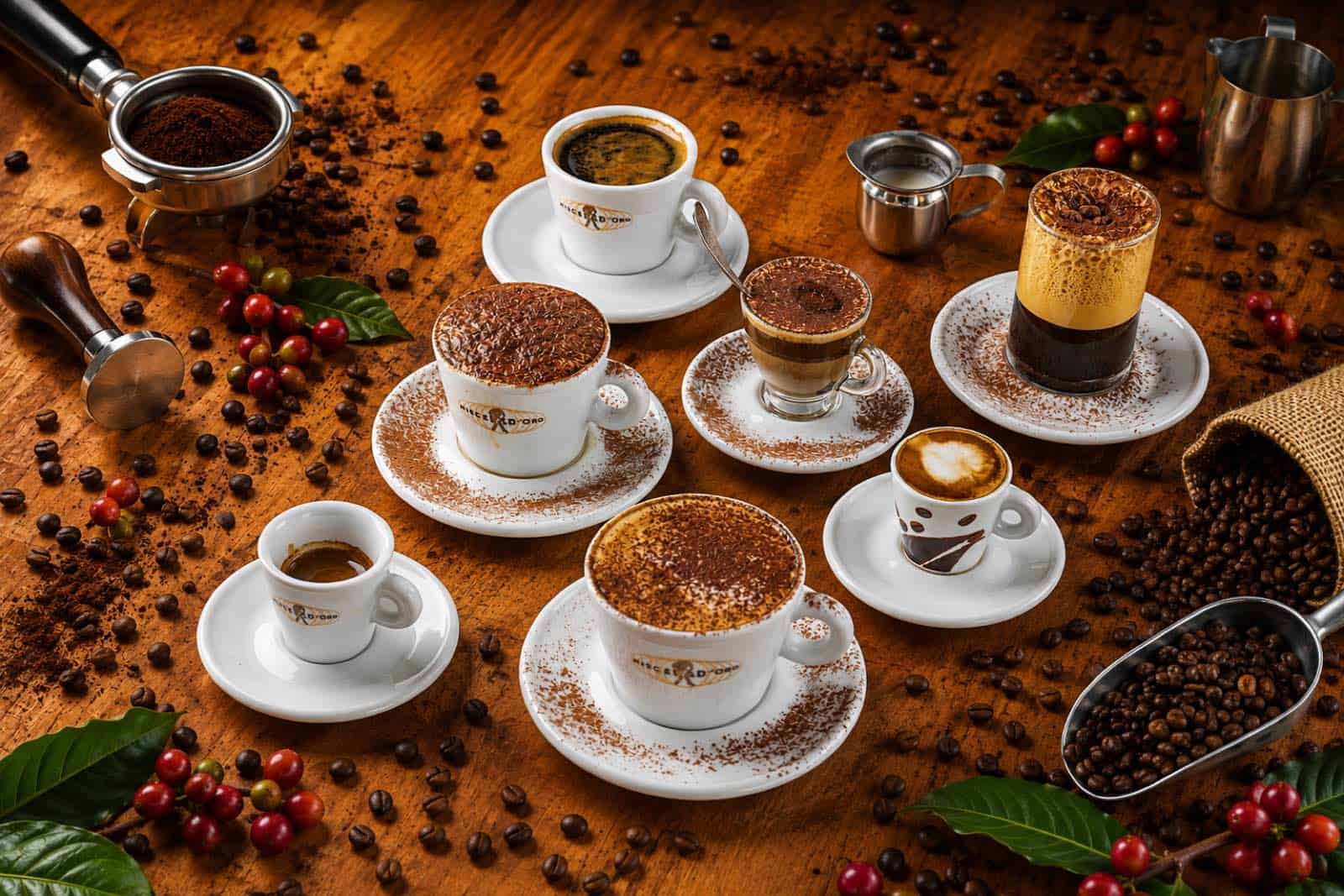
Order an espresso, a macchiato or a marocchino at Vespa and it will come to you in porcelain or glass, on a saucer, at the counter. Not in a paper cup. Not with a lid. Not to the car.
This is the one rule we do not bend, and people ask about it often enough that it deserves a real answer.
Because some traditions deserve protection
A true Italian espresso needs porcelain, glass, stillness and presence. Put it in a paper cup and the aroma, the crema and the temperature are gone almost immediately. What arrives at your table is not the drink we made.
In Italy, espresso is taken al bancone — standing at the bar. You come in, you order, you drink, you go. It takes about twenty seconds. It was never designed to accompany a commute.
It was designed to interrupt one.
That is the part most visitors find surprising. The Italian coffee ritual is not slow because Italians have more time. It is short on purpose. Twenty seconds is exactly long enough to stop, and not long enough to become an errand. It is a pause with a beginning and an end.
“A true Italian espresso is not meant to be rushed. It is twenty seconds of presence in a world that never stops moving.”
— Matteo Zacchino
The bar on Via Madama Cristina
This is not a policy we read about. It is a habit we inherited.
In post-war Torino, in Piemonte, Nonna Maria and Nonno Edo ran a coffee bar on Via Madama Cristina — the Moca Bar. Through those years they served Miscela d’Oro, and they served it the way it was meant to be served: to people standing at the bancone, for the length of a conversation.
Matteo Zacchino spent his first six years underfoot in that bar. He was far too small to drink the coffee. But Miscela d’Oro is the smell he grew up in, and a child who grows up in that smell does not later put it in a paper cup.
There is a small piece of geography in this worth noticing.
Miscela d’Oro is Sicilian, from Messina. The other half of this family is Sicilian too — Nonno Giovanni and Nonna Pina, from Piazza Sant’Onofrio in Palermo. Both families eventually left, and both ended up in Sanremo on the Ligurian coast, which is where the two halves of this table finally met.
So a Sicilian roast was being poured in a Piemontese bar by grandparents from opposite ends of the country, years before anyone in the family thought of opening a café in Arizona. The coffee had already done what the family would go on to do.
What is in the cup
We serve only Miscela d’Oro Caffè, and specifically their Biologico and Caffè Natura selections.
The company was founded in Messina, Sicily, in 1946. It is still family-owned and still committed to traditional Italian roasting. Its blends draw on carefully selected beans from Central America, South America and Asia, combined for the balance, sweetness, body and crema that make an espresso taste Italian rather than merely strong.
For this family, the relationship is not a supplier arrangement. It is the same coffee that was served on Via Madama Cristina. Every espresso we pour carries a small piece of that forward.
What to order, and when
Cappuccino and a cornetto. One of Italy’s great classics, and still the best breakfast in the country. A word of warning about the local custom: in Italy, nobody orders a cappuccino after a meal. Milk after lunch is considered a small crime. Here in Sedona, at two in the afternoon, after eight miles of red rock — we will not judge you.
The Marocchino. Espresso, Nocciolata, milk foam and cocoa powder, in a small glass. It is the natural companion to our Nocciole e Fragole — fresh strawberries and organic hazelnut chocolate spread over warm pinsa romana. Order them together and you will understand why they exist.
The Shakerato. A double shot of espresso, shaken hard with ice and maple syrup until it turns silky, then strained into a chilled glass. It has become the quiet favorite of hikers and travelers looking for an afternoon lift that does not feel heavy in the heat. Simple. Elegant. Very Italian.
The same idea as the food
We approach coffee exactly the way we approach food. Quality ingredients, patience, and respect for the tradition we inherited rather than an American approximation of it.
Our pinsa romana takes seventy-two hours of cold fermentation before it ever sees the oven. An espresso takes twenty seconds. The numbers could not be further apart, and yet both are asking you for the same thing: do not rush this. Let it be what it is.
Whether you join us for a signature pinsa, a cappuccino with a cornetto, or a simple espresso after lunch, the goal has never changed. Nourish the body and the spirit through real Italian hospitality.
What we hope you remember
That coffee can still be a ritual.
Not something rushed. Not something consumed without noticing. A small daily ceremony — after a pinsa, alongside dessert, or standing at the bancone with twenty seconds to spare.
That is all an espresso has ever asked for.
Vespa Healthy Italian Café
1350 W State Route 89A, Suite 22, Sedona, AZ
(928) 862-2228
See the full espresso, wine and amaro list · View the menu
Adapted from “Vespa Healthy Italian Café” by Martha Penado, published in Sedona Monthly, July 24, 2026. Read the original interview there.